Which February Blooms Attract Early Pollinators?
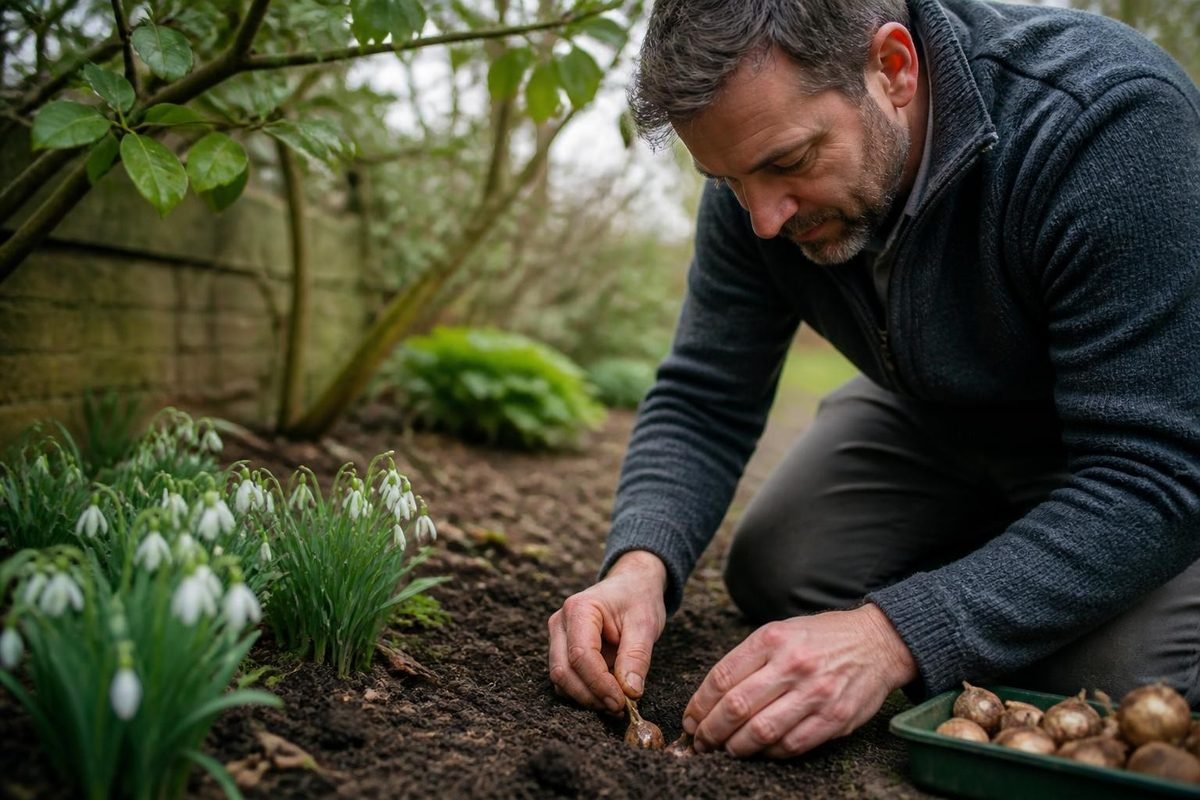
Snowdrops, crocuses, winter aconites and early flowering willows can offer food to pollinators that emerge in February. Their usefulness depends on your local climate, because both flowers and insects respond to the weather.
Small bulbs with early flowers
On a mild day, a crocus in a patch of sun may draw a bee looking for pollen or nectar. Its open, cup shaped flowers are easy for an insect to enter. Plant several bulbs together so the flowers form a visible patch rather than a few scattered dots.
Snowdrops can also provide pollen and nectar to early insects. Their small, nodding flowers look lovely at the edge of a path or beneath a deciduous tree. They are particularly useful where they can spread into a clump over time.
Winter aconites produce bright yellow flowers close to the ground. They can bloom in late winter and offer pollen and nectar when little else is open. Give them a place where their leaves can remain after flowering, so the plants can gather energy for another season.
Shrubs and trees that feed visitors
Some willows flower very early, producing catkins that supply pollen or nectar. A willow suited to your region can support a range of insects, but it needs enough space for its mature size. Local native species are a good place to start when choosing one.
Witch hazels can flower in winter, with narrow petals that unfurl along bare branches. They may attract insects active on mild days. Check the flowering period of the plant you are considering, since it varies by type and location.
Hellebores often flower in late winter and can provide pollen and nectar. Choose plants with open, accessible flowers. In very full double flowers, extra petals can make the reproductive parts harder for insects to reach.
Make the flowers easy to find
A few thoughtful choices can make an early display more useful. There is no need to fill the whole garden at once.
- Plant flowers in groups, with several of the same kind close together.
- Choose a sheltered, sunny spot where insects can warm up and forage.
- Grow several kinds of plants so flowering continues as the season changes.
- Look for plants suited to your soil and local conditions.
- Avoid pesticides on or near flowers visited by pollinators.
Leave room for shelter
Early food is only one part of a welcoming garden. Some pollinators spend winter in hollow stems, leaf litter, soil or other protected places. Leaving a quiet corner undisturbed can help preserve shelter while the weather is still changeable.
Do not worry if your February garden is quiet. In colder places, these plants may flower later, and insects may not be active until conditions are warmer. A small patch of early flowers, followed by more blooms through spring, is a useful place to begin.
Keep reading: order flowers online guide